


Asselum, together with Oxytech, will give a presentation at the CEI symposium next May 26th.

Asselum, together with Oxytech, will give a presentation at the CEI Symposium on May 26th titled: Universality or Particularity? Exchange files for today’s lighting sector and their future.
The year 1986 marks the birth of modern lighting technology as we know it today, with the introduction of the first photometric exchange file — the IES file, described in the IESNA LM‑63:86 standard, followed by versions published in 1991, 1995, and 2002.

This file was accompanied in 1990 by its European counterpart, the (.LDT) file, which—unlike the IES—has never been regulated, yet has still become a de facto standard format.
The main and common feature of these two files is universality: both can be used by multiple software programs around the world.
This property allows manufacturers to create a single universal file for a given product without worrying about which software end‑users may adopt.
In the mid‑1990s, alongside these universal solutions, other particular (software‑specific) solutions emerged, as several companies specializing in lighting software began distributing free programs to professionals in the sector, proposing that manufacturers fill in the databases of each program to create so‑called plug‑ins.
These solutions were therefore particular, as they were compatible only with a specific program.
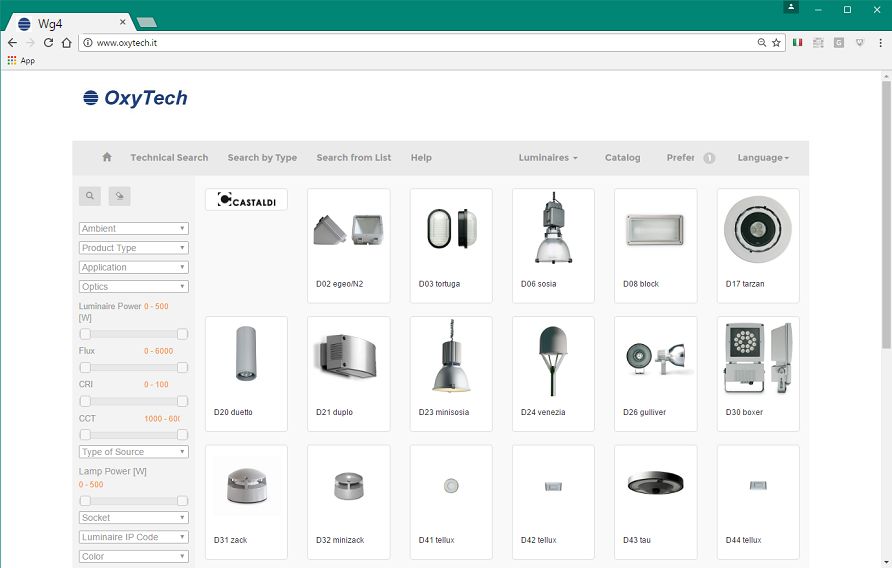
These two approaches have defined the lighting sector for the past two decades, with little change until recent years, when a new concept began to gain importance: BIM.
BIM (Building Information Modelling) represents the evolution of the universal exchange files known until now, such as IES and Eulumdat, as it can include a greater amount of information—for example, some typical technical‑sheet characteristics and the product’s 3D file.

BIM files come in both versions: there are particular formats, such as the Autodesk Revit BIM format, and others that aim to be universal, such as the BIM files that CIBSE, the UK standards association, is attempting to develop so that they can be used by any program or application intending to work with them.
But what will the future hold?
Which of these solutions will prevail?
Or will manufacturers need to prepare themselves to develop multiple solutions—both particular and universal—for the various professionals in the sector?
Our presentation will offer a historical overview of the different systems in order to understand the evolution of what is to come.