Tests according to LM79, LM80, TM21, ISTMT and TM30

The lm-79-08 is an American standard created by the IES (Illuminating Engineering Society of North America) in 2008. It indicates the procedure to measure the photometric, spectral (Colour) and electrical characteristics for LED technology. It was the first standard to talk about LED measurement or Solid-State Lighting Products (SSL) and laid the groundwork for new standards and recommendations such as EN 13032-4 and CIE S 025

Photometric tests provide a comprehensive service to measure the quantity, color, quality, and spatial distribution of the light emitted by lamps and luminaires. In addition to providing other relevant data such as luminous flux, power consumption, correlated color temperature, and color rendering index, among others. All measurements and calculations performed are compiled in a fully detailed test report.

Asselum has a revolutionary system for measuring color and spectrum at different C and Gamma angles, allowing compliance with the new color measurement standard for SSL. With this system, chromatic aberrations, color dispersion, and various color values such as the color temperature at each Gamma angle can be analyzed in depth.

Test according to ANSI/IES LM-79 for electrical and photometric measurement of solid-state lighting products.

The ANSI/IES LM-79 test characterizes the performance of lighting products that use solid-state lighting (SSL) technology, including light-emitting diodes (LEDs).

This test defines the method for measuring performance under specific operating conditions at a given point in the product’s lifetime, usually at the beginning of its service life.

In this case, it does not address lifetime ratings, light maintenance, or LED temperature, which can be measured with other tests such as IES TM-21.

The LM-79 method is applicable to integrated LED products, such as luminaires and lamps. However, it does not apply to LED packages, modules, or arrays.

LM-79 data enable objective product comparisons, allow evaluation against performance requirements, and are required by voluntary labeling programs such as LED Lighting Facts and ENERGY STAR®. Although LM-79 does not prescribe a report format or minimum content, it provides a substantial list of “typical reported elements.” The key types of measurements addressed in the document include electrical characteristics, total luminous flux, spatial light distribution, and color attributes.

The test provides the following information:
A variety of electrical measurements can be performed as part of the LM-79 test, including but not limited to the following:

  • Luminous flux (lm)
  • Power (W).
  • Efficiency (lm/W)
  • ULOR y DLOR
  • Correlated Color Temperature (CCT)
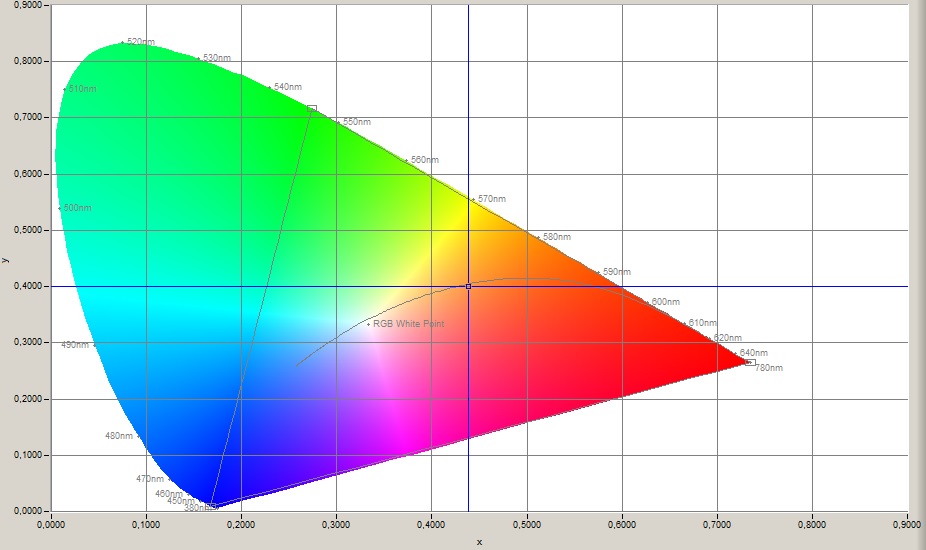
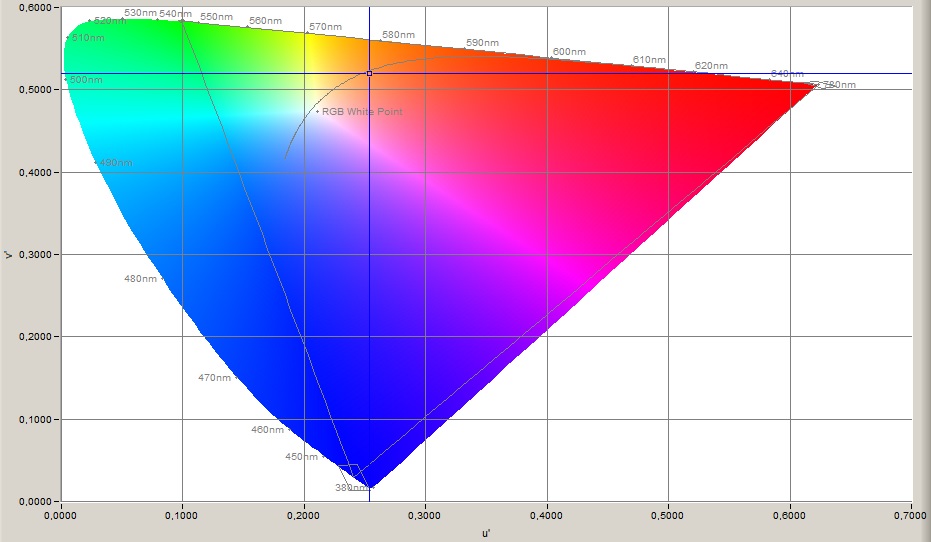
  • Chromatic coordinates x, y and u’v’.
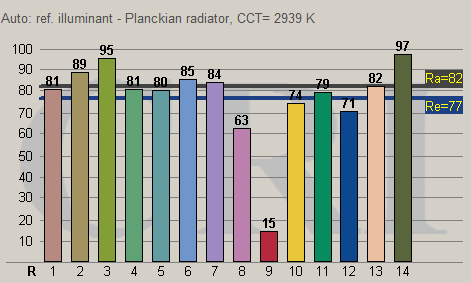
  • Color Rendering Index (CRI)
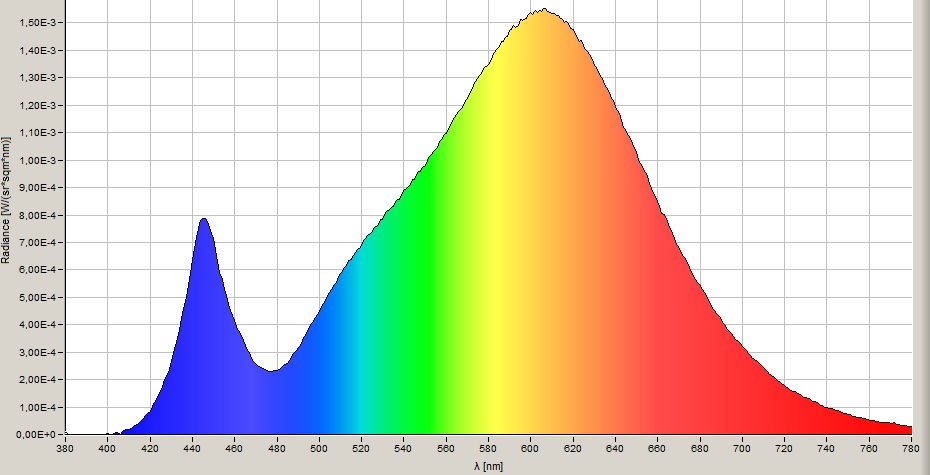
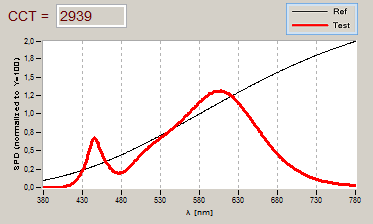
  • Spectrum 380nm-780nm

Light output, more formally known as luminous flux, is expressed in lumens (lm). Luminous flux is a more meaningful metric than power when establishing product equivalence because the relationship between total lumen output and input power can vary from one product to another. This ratio is called luminous efficacy and is expressed in lumens per watt (lm/W).

Once the luminous flux and efficacy of an SSL product have been determined, it is important to understand where the light is directed. A greater amount of light is not necessarily beneficial if it is not projected where it is needed; therefore, the total lumen output should only be used to compare products that distribute light in a similar way.

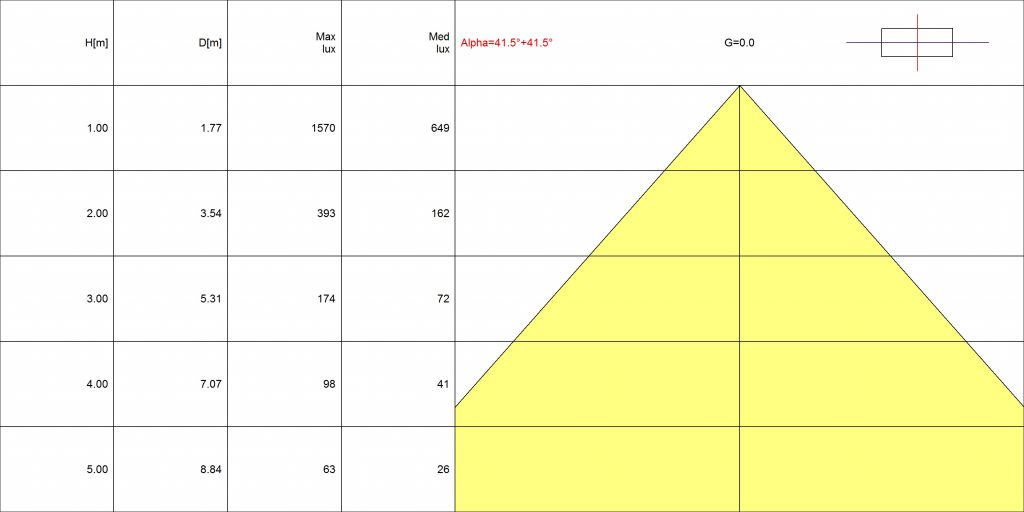
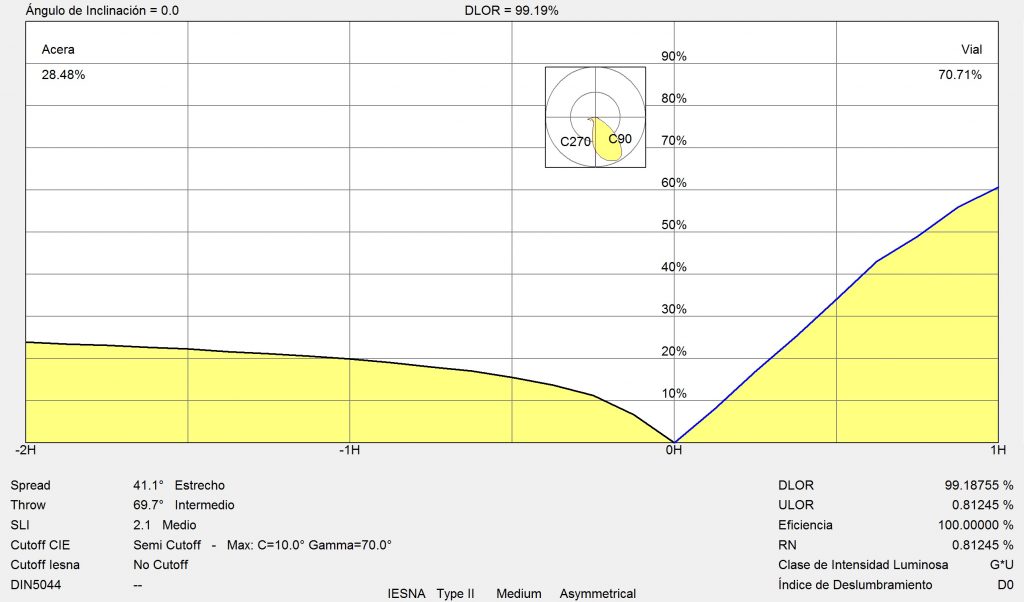
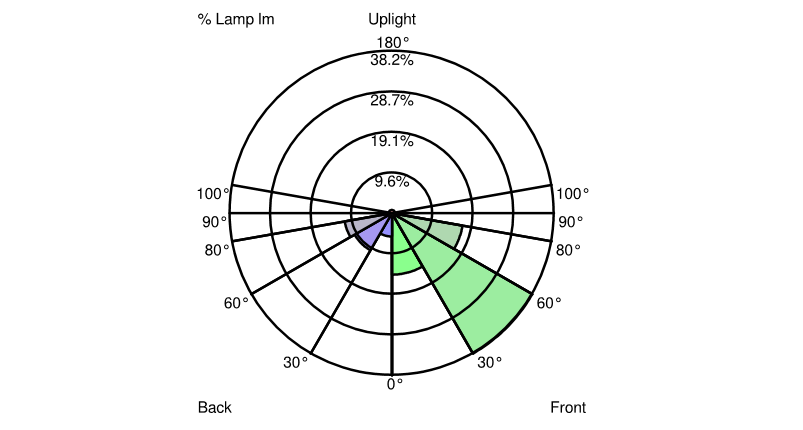
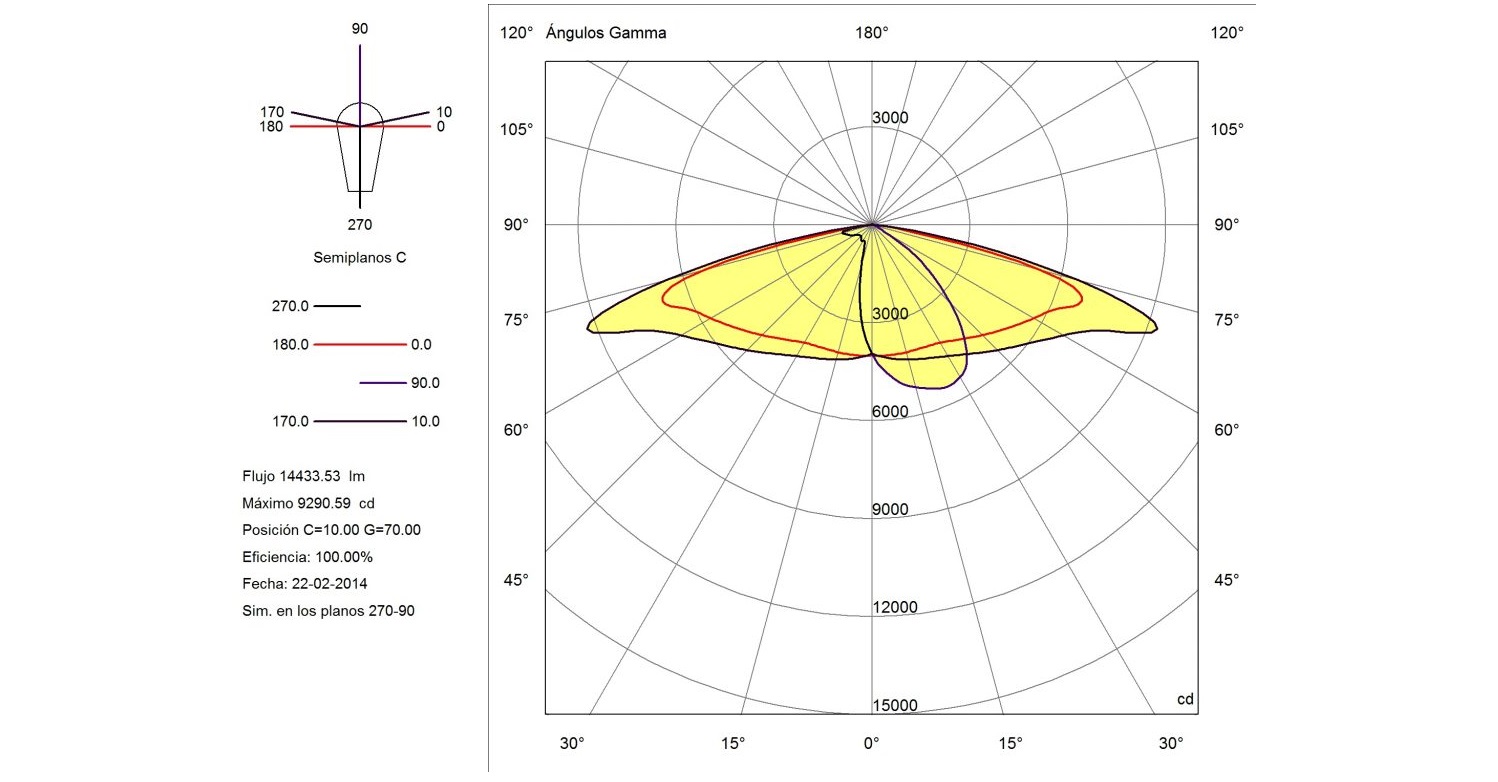
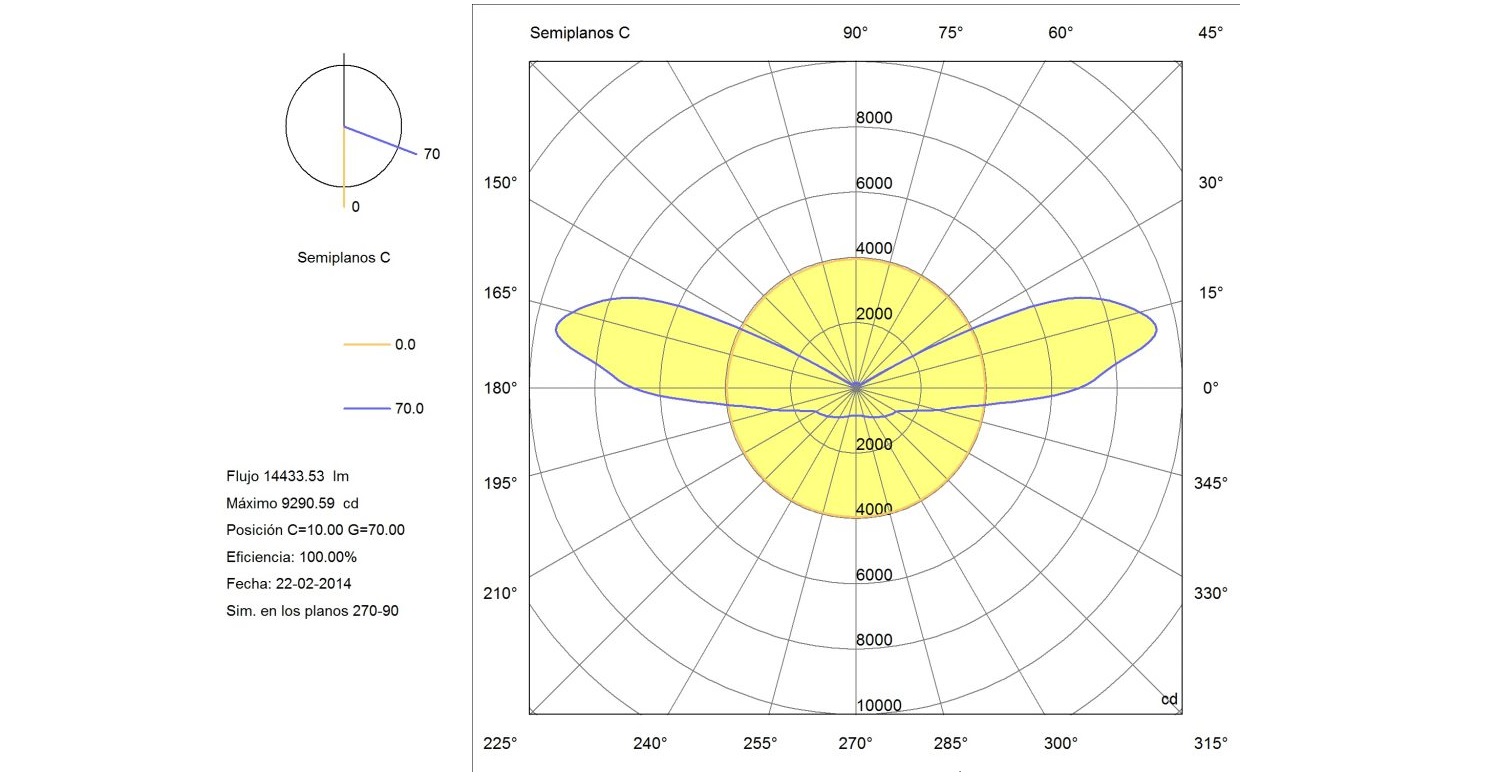
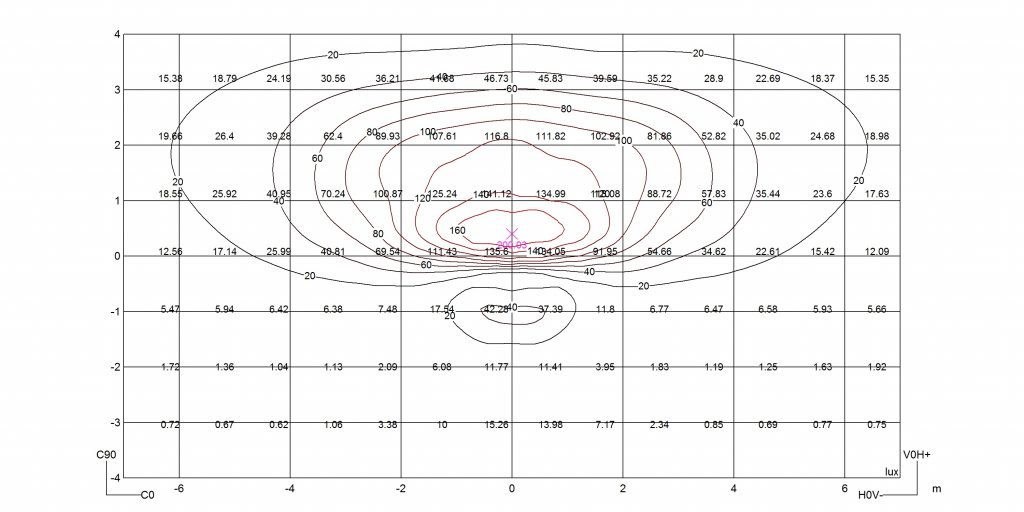
Luminous intensity, expressed in candelas (cd), is measured at a variety of angles to allow characterization of the spatial distribution of light. These intensity data are then used to calculate a variety of metrics and generate diagrams that can be found in photometric reports. Common examples of such metrics and diagrams include polar luminous intensity diagrams, zonal lumens, and BUG rating.

Luminous intensity data are most directly communicated through polar diagrams and tables.

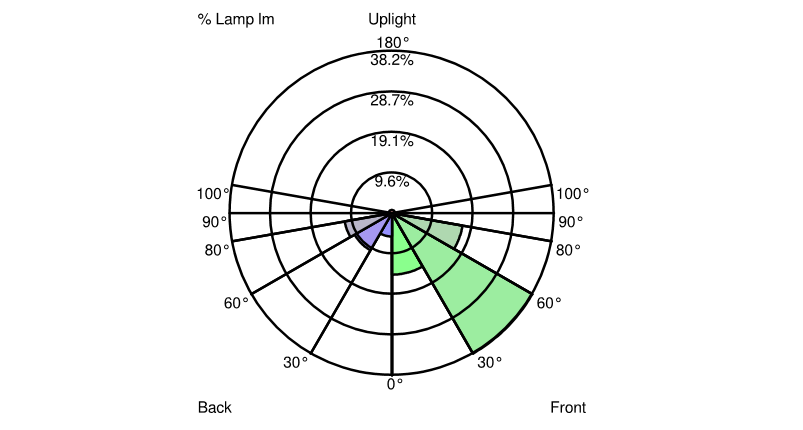
The spatial distribution of light can also be characterized by the amount of luminous flux in various zones, which provides information about glare and light pollution.

The image below illustrates the zonal lumen densities for the bilaterally symmetric intensity distribution shown in the next image. This angular breakdown corresponds to the IES Luminaire Classification System (LCS), which is used to determine Backlight-Uplight-Glare (BUG) ratings for outdoor lighting products.

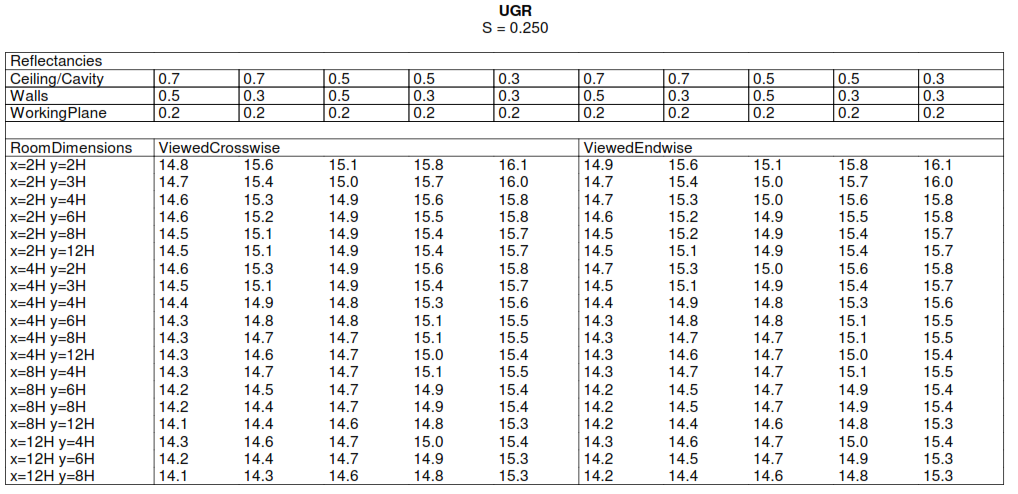
The metrics and diagrams included in LM-79 reports can be useful for the preliminary selection of products. An experienced user can identify products that have an appropriate distribution for a specific application or detect potential issues in terms of uniformity, glare, or light trespass.

Other photometric tests

IES LM-80: Measurement of Lumen Maintenance of LED Light Sources.

LM-80 is the North American standard developed by IES to measure the lumen depreciation of solid-state light sources (SSL) such as LEDs. LM-80 only applies to the light source and never to the luminaire, and it does not define or provide methods for estimating the lifetime of a luminaire

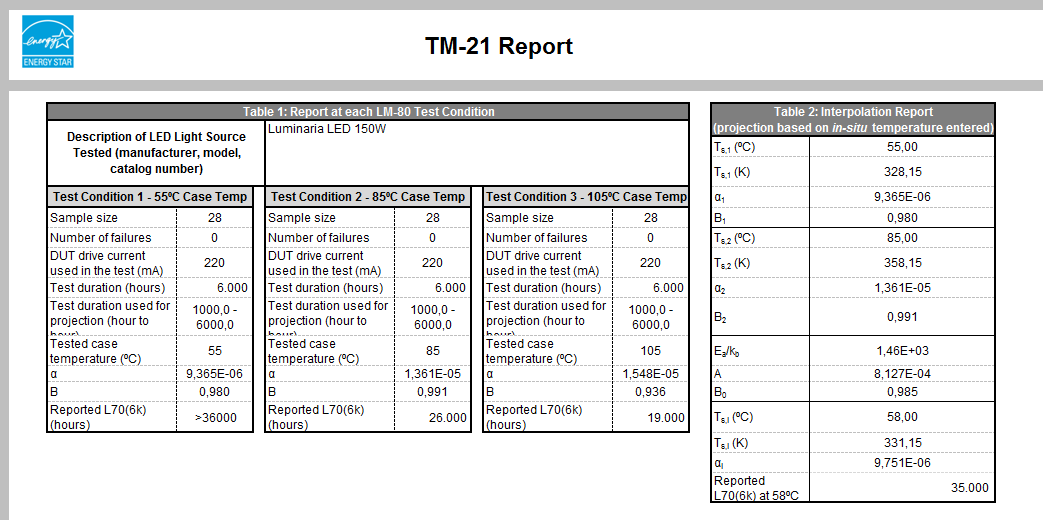
IES TM-21: Prediction of Long-Term Lumen Maintenance of LED Light Sources.

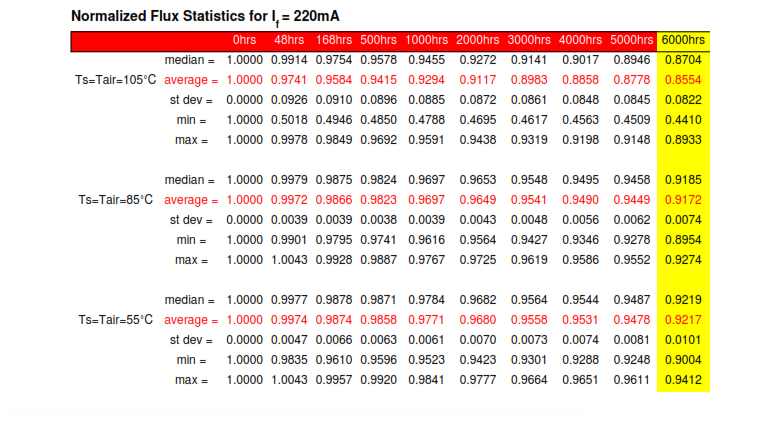
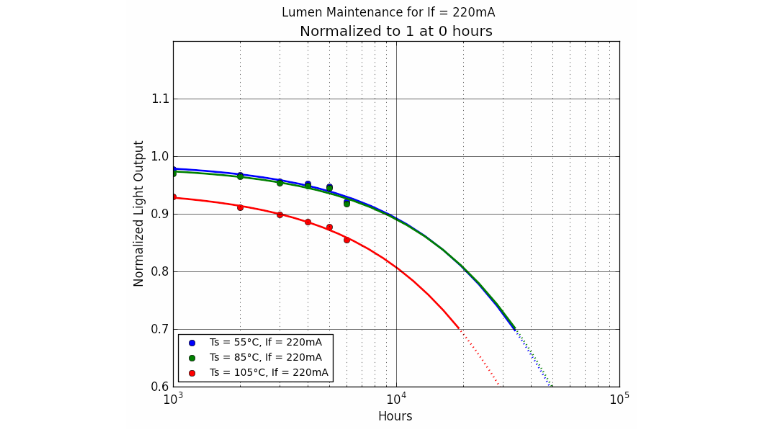
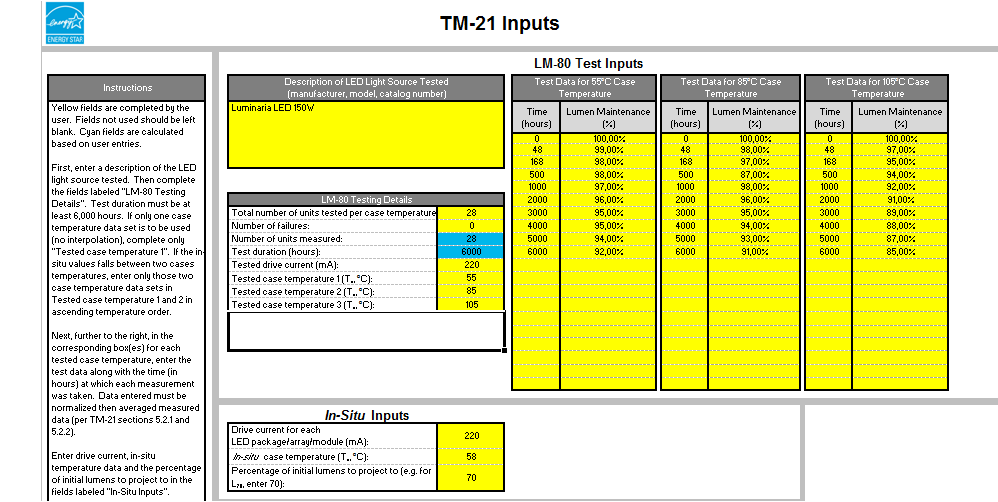
Una vez concluida la prueba LM80, se aplica es el método recomendado por el IESNA para extrapolar la degradación del flujo luminoso de un modulo o luminaria de LED’s, basado en los datos recogidos de acuerdo con LM-80. El punto final de la extrapolación es típicamente 70% de la salida de luz inicial.

In conclusion, TM-21 does provide an estimate of lumen maintenance for an LED luminaire based on data collected in LM-80 tests, but it is not a comprehensive tool for lifetime estimation.

The test provides the following information:
  • LED temperature in operating condition (°C).
  • Température du driver en situation de fonctionnement (°C).
  • LED supply current (A).
  • Supply voltage (V).
  • Temperature/Time curve.
  • Projected L₇₀ Lumen maintenance life (TM-21)
  • Reported L70 lumen maintenance life (TM21)
  • Lumen maintenance at 6,000 hours (LM80)

In-Situ Temperature Measurement Test (ISTMT)

La prueba ISTM mide la temperatura de funcionamiento y la corriente de alimentación del LED en el interior de la luminaria, en una situación y posición igual a la que estará en su funcionamiento habitual («in situ»). La medición se realiza en el punto de medición de la temperatura (punto Tc) indicado por el fabricante del paquete LED.

IES TM-30-15: IES Method for Evaluating the Color Rendition of a Light Source.

In 2015, IES introduced TM-30 as a method for evaluating the color rendition of light sources. It can be used to replace or complement the Color Rendering Index (CRI), developed by the International Commission on Illumination (CIE) and used since 1964 as the global standard for assessing the color rendering of light sources.

IES TM-30-15 includes:

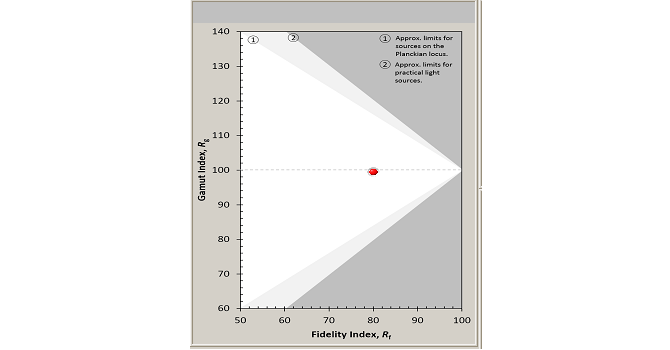
  • Color fidelity – The Rf index quantifies the accurate representation of colors.
  • Color gamut – The Rg index quantifies the average level of saturation compared to reference illuminants.
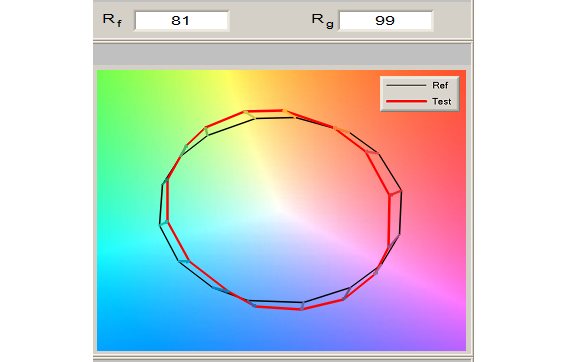
  • Color vector graphic – These graphics provide a visual description of the Rf and Rg values.

The test provides the following information:
  • Color fidelity Rf
  • Color gamut Rg
  • Color vector graphic
  • Spectrum 380nm-780nm
  • Correlated Color Temperature (CCT)
  • Correlated Color Temperature (CCT)
  • Color Rendering Index (CRI)

Do you have any doubts?
Contact us at